

Germany
5 regulators · 6 instruments · 6 obligations · 1 upcoming deadline
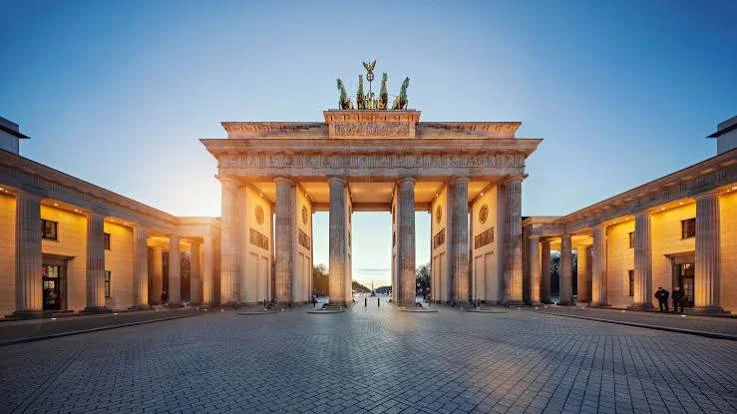
Regulators of Germany
| Regulator | Acronym | Established | Supervises | Official site | Detail |
|---|---|---|---|---|---|
| Deutsche Bundesbank Primary | BBk | 1957 | Banking · Payments & Fintech | Official site | |
Deutsche Bundesbank (BBk) is the country’s autonomous central bank that was founded in 1957 through the constituting law known as Bundesbankgesetz (BBankG). The BBk is located in Frankfurt and acts as a main member of the Eurosystem of the European System of Central Banks (ESCB), having shared responsibility with the ECB for the stability of money in the Eurozone. Aside from monetary policy, the BBk plays a leading role in supervising financial activities by being responsible for managing cash on a daily basis, analyzing liquidity, and carrying out audits of the banks in a highly coordinated two-tier cooperation with the country’s federal supervisor – BaFin. In addition to that, as an important player in the sphere of international finance, it acts on behalf of Germany in such international organizations as the Bank for International Settlements (BIS) and the Basel Committee on Banking Supervision (BCBS). | |||||
| Federal Commissioner for Data Protection and Freedom of Information Primary | BfDI | 1978 | Banking · Insurance · Telecom & Tech · Healthcare & Pharma | Official site | |
BfDI is the independent supreme federal data protection supervisory body of the Federal Republic of Germany, set up in 1978 and at present governed under Bundesdatenschutzgesetz (BDSG). Based in Bonn, BfDI acts as an entirely independent federal body responsible for protecting the basic human right to privacy of data and promoting transparency through freedom of information throughout the nation. As per the decentralized nature of German law that vests responsibility for overseeing the private sector in 16 different state authorities, BfDI enjoys exclusive nationwide competence to supervise all federal public authorities and vital telecommunication industry in the country. | |||||
| Federal Financial Supervisory Authority Primary | BaFin | 2002 | Banking · Insurance · Capital Markets · Asset & Wealth Management · Payments & Fintech · Crypto / VDA | Official site | |
The Federal Financial Supervisory Authority (BaFin) functions as an independent and supreme financial regulatory body of Germany, founded in 2002 through the enactment of the FinDAG Act. The body is based in Bonn and Frankfurt am Main and exercises supervision of the financial sector in Germany through the banking, insurance, and securities industries. BaFin represents the German regulatory system abroad in international bodies such as BCBS, IOSCO, and IAIS. For further information about BaFin, visit the BaFin Website. | |||||
| Financial Intelligence Unit (Germany) Primary | FIU-DE | 2017 | Banking · NBFC / Non-bank Lending · Crypto / VDA · Real Estate · DNFBPs (Lawyers, Accountants, Dealers) | Official site | |
The German Financial Intelligence Unit (FIU), which is formally referred to as the Central Office for Financial Transaction Investigations (Zentralstelle für Finanztransaktionsuntersuchungen), is the autonomous national central body entrusted with the task of combating money laundering and terrorist financing in Germany [Egmont Group]. Formed in 2001 and radically reshaped in 2017 in accordance with the Money Laundering Act (GwG), the FIU works as an administratively oriented body housed within Directorate X of the General Directorate of Customs. Located in Cologne, the FIU works entirely outside of the conventional police network and acts as the important central focal point for financial crime information alerts, being an active member of the international Egmont Group. | |||||
| German Bundestag Primary | BT | 1949 | Payments & Fintech | Official site | |
The Bundestag (BT) of Germany is the elected parliamentary assembly of the Federal Republic of Germany that was formed in 1949 according to the founding law, Grundgesetz. It is located in the famous building of the former Reichstag in Berlin and works as the highest legislative assembly of Germany and the central stage of national representation. The Bundestag is granted with the exclusive power to discuss, modify and adopt federal laws, such as the Geldwäschegesetz (GwG), while at the same time serving as the most important constitutional control institution by electing the Federal Chancellor, controlling the federal government and voting on the state budget. | |||||
| No regulators match these filters. | |||||