
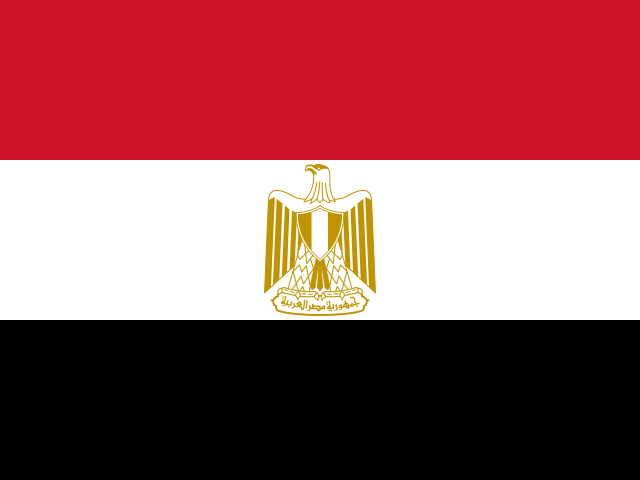
Egypt
3 regulators · 4 instruments · 1 upcoming deadline
It is an interesting nation that is transcontinental and located in the region of North Africa and Western Asia as a presidential republic with autocratic leadership from President Abdel Fattah al-Sisi.
Regulatory pulse · 90 days
Laws & circulars Enforcement NewsOverview
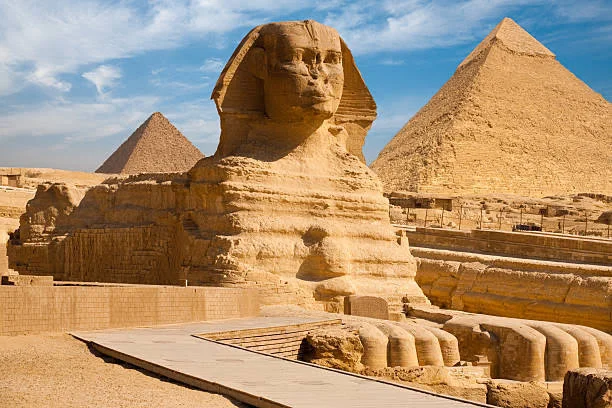
VERIFIED 16 SEP 2026It is an interesting nation that is transcontinental and located in the region of North Africa and Western Asia as a presidential republic with autocratic leadership from President Abdel Fattah al-Sisi. It serves as an important geopolitical link between the MENA regions and its economy is mainly driven by income from Suez Canal, tourism and foreign direct investments. In order to overcome economic challenges and raise multi-billion dollars from International Monetary Fund (IMF), Egypt is following a new State Ownership Policy that runs from 2026 to 2030.
The Political and Economic Risk areas are still quite high due to internal system weaknesses and external volatility in the region. Within the country, the emergence of corporations related to the armed forces, such as the Future of Egypt Authority, which is huge, undermines regular private business activity and hampers sovereign wealth distribution. Internationally, current geopolitical tensions severely affect marine transport through the Red Sea and thereby weaken foreign currency reserve assets. Moreover, international disputes concerning the Grand Ethiopian Renaissance Dam constitute resource security threats to agriculture.
The Governance landscape is characterized by highly centralized governance with little opposition to it, limited scope for civic engagement, and an executive that operates very much within the realm of state security machinery. While the new House of Representatives has brought in a semblance of legislation, there is little in terms of balance of checks and the judiciary often falls prey to political influence. Persistent issues of corruption in the public sector hinder efforts towards creating an environment of equity and transparency in business.
Regarding the Compliance and Sanctions area, the scrutiny by the regulators is rapidly escalating in order to ensure that Egypt complies with the international standards. Both the FRA and the Central Bank of Egypt impose tough anti-money laundering, know your customer, and digital assets regulations on their clients. It should be mentioned that, as a sovereign country, Egypt is not under any international trade embargo. However, there is a need for the companies to watch out for the risks of secondary sanctions. For example, secondary sanctions were imposed on the UAE branches of the state-owned Banque Misr that were prohibited from doing business with the US because of the money laundering from the Iranian network.
Who regulates what
View all →

Key laws & regulations
All Laws & Regulations →| Instrument | Type | Year | Regulator | Source |
|---|---|---|---|---|
| Central Bank and Banking Sector Law No. 194 of 2020 | Act | 2020 | CBE | official |
| Personal Data Protection Law No. 151 of 2020 | Act | 2020 | — | official |
| Anti-Money Laundering Law No. 80 of 2002 | Act | 2002 | EMLCU | official |
| Capital Market Law No. 95 of 1992 | Act | 1992 | FRA | official |
| No instruments match these filters. | ||||